

The way stage lighting is designed and used has changed considerably in recent years. LED technology has become standard across many types of productions, while lighting control systems are becoming more connected and easier to integrate with other stage equipment.
Lighting rental companies, event production teams, theaters, entertainment venues, and distributors, these changes are also affecting purchasing decisions. The question is no longer simply how bright a fixture can be. Reliability, versatility, control compatibility, energy consumption, and long-term operating costs are becoming equally important.
Here, we look at several developments that are shaping the professional stage lighting market in 2026.
LED Has Become the Standard Choice for Many Lighting Projects
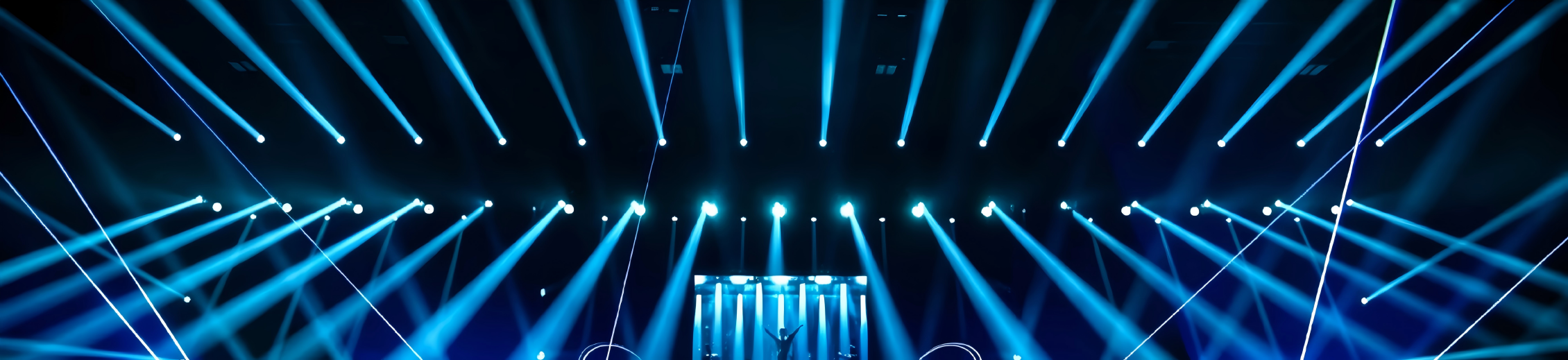
LED technology is now widely used in professional stage lighting. The main reason is not simply lower power consumption. Modern LED fixtures can combine high output with color control, electronic dimming, compact designs, and a wide range of effects.
This has made LED technology suitable for almost every part of a lighting system. Depending on the application, a lighting designer may use:
- LED beam lights for strong and concentrated beams
- LED moving head lights for dynamic effects
- LED wash lights for stage and area lighting
- LED profile lights for precise front and stage lighting
- LED follow spot lights for performers and presentations
For venues and rental companies, having different types of LED stage lighting equipment also makes it easier to adapt the same inventory to different projects.
A rental company, for example, may use the same moving head fixtures for a concert one week, a wedding the following week, and a corporate event after that. Versatility therefore has a direct impact on the value of the equipment.
Lighting Equipment Is Becoming More Flexible
Modern productions rarely rely on one type of lighting fixture. A typical stage lighting system may combine moving heads, beam fixtures, wash lights, profile lights, and effect lighting. Each fixture has a different role, and the overall result depends on how they work together.
This is particularly noticeable in event venues. A wedding venue may need soft and atmospheric lighting during a ceremony, brighter stage lighting for a performance, and more dynamic effects during the celebration. A concert or live show may require a completely different lighting setup. Professional lighting equipment needs to be flexible enough to work in different environments.
Manufacturers are paying more attention to fixture size, movement speed, optical performance, effect selection, and control compatibility so that lighting professionals can use the same equipment in a wider range of applications.
DMX and Network Control Remain Important
As lighting systems become larger, control is becoming an increasingly important part of the overall solution.
DMX512 remains widely used in professional stage lighting, while network-based technologies such as Art-Net are becoming common in larger and more integrated systems. The advantage is straightforward: instead of operating individual fixtures separately, lighting professionals can program and control large numbers of fixtures as part of one system. This is especially useful for:
- Concert productions
- Theaters
- Large event venues
- Entertainment venues
- Corporate events
- Lighting rental projects
For lighting buyers, control compatibility should therefore be considered when selecting new fixtures. A good lighting fixture should not only perform well by itself; it should also work reliably within the customer's existing control system.
Reliability Matters More Than Specifications on Paper
Lighting specifications are useful when comparing products, but they do not always tell the whole story. For a professional rental company, equipment may be transported, installed, operated for long periods, dismantled, and transported again many times.
A fixture that performs well during a short demonstration but becomes difficult to maintain after repeated use is not necessarily a good investment.
This is why experienced buyers often pay attention to factors such as:
- Thermal management
- Mechanical construction
- Component quality
- Firmware and control stability
- Ease of maintenance
- Spare parts availability
- Manufacturer support
In professional stage lighting, reliability has a direct relationship with business operations. When a lighting fixture fails during an event, the cost can be much higher than the price of the fixture itself.
Energy Efficiency Is Becoming a Practical Purchasing Consideration
Energy efficiency is another factor receiving more attention from professional lighting buyers.
A small event, the difference in power consumption between fixtures may not be significant. For a large venue or rental inventory with dozens or hundreds of fixtures, however, power consumption can become a meaningful operating cost.
LED stage lighting provides an efficient solution while still offering the output required for professional applications.
Good thermal design is also important. Efficient heat management can contribute to stable fixture performance and help extend the service life of internal components.
For permanent installations and high-frequency rental operations, these factors should be considered together rather than looking only at the initial purchase price.
Immersive Lighting Is Changing the Role of Stage Lighting
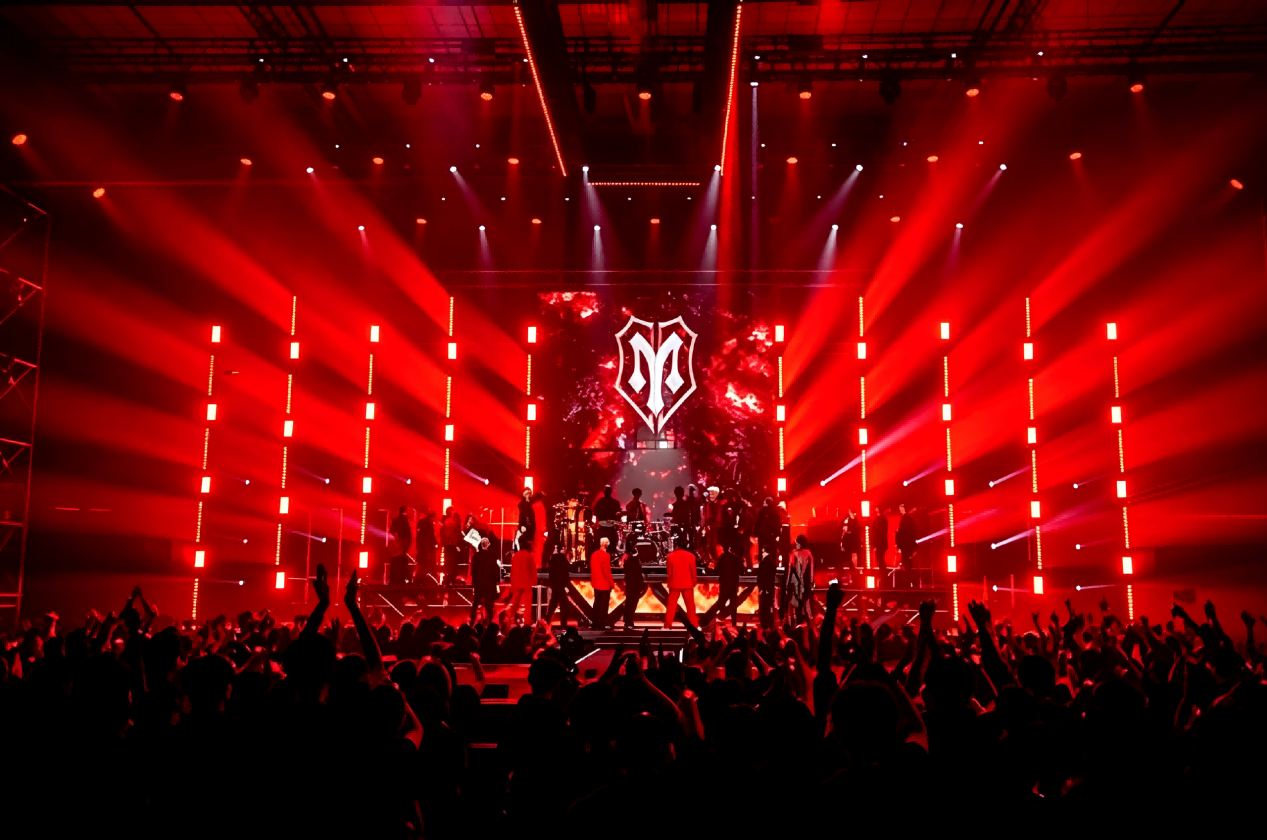
Stage lighting is no longer used only to illuminate performers. Lighting is increasingly part of the visual content itself. Moving beams, changing colors, programmed movements, and synchronized effects can work together with LED screens, music, video content, and stage structures.
This approach is particularly common in concerts and large-scale live events, but the same idea can be applied to theaters, clubs, wedding venues, exhibitions, and commercial events.
The result is a more complete visual environment rather than simply a brighter stage. For lighting designers, this creates more creative possibilities. For equipment manufacturers, it also means that fixtures need to provide precise movement, consistent output, and flexible effects that can be integrated into a larger lighting design.
What Should Buyers Look for When Choosing a Stage Lighting Manufacturer?
For distributors, rental companies, and project contractors, selecting a lighting manufacturer is a long-term decision. Price is naturally important, but several other factors deserve attention.
Product Range: A manufacturer with a broad product range can make it easier to build a complete lighting system from one supplier.
Quality Control: Consistent production quality is particularly important for distributors and rental companies that purchase multiple units of the same fixture.
Technical Support: Clear manuals, product specifications, control information, and technical communication can save considerable time during installation and programming.
Customization: Different markets may have different requirements for power supply, connectors, packaging, control functions, and product configuration. A manufacturer that can support these requirements can provide additional value to professional buyers.
After-Sales Service: Long-term cooperation requires more than shipping products. Spare parts, technical support, warranty service, and communication are all part of the supplier relationship.
LYDG Lighting and Professional LED Stage Lighting
LYDG Lighting is a China-based manufacturer specializing in professional LED stage lighting equipment and lighting solutions.
Our product range includes LED moving head lights, LED beam lights, LED wash lights, follow spot lights, profile lights, and other professional lighting fixtures.
Our products are designed for applications including concerts, theaters, wedding venues, entertainment spaces, corporate events, and lighting rental projects.
We work with distributors, lighting rental companies, event production companies, lighting contractors, and other professional customers looking for reliable stage lighting equipment.
For us, manufacturing stage lighting is not only about producing individual fixtures. Understanding how the equipment will be installed, controlled, transported, and used is equally important.
That approach helps us continue improving our products and providing practical lighting solutions for different markets.
Looking Ahead
The professional stage lighting market will continue to develop alongside advances in LED technology, control systems, and visual production.
However, some fundamentals are unlikely to change. Lighting professionals still need equipment that performs consistently, works with their control systems, is practical to maintain, and provides enough flexibility for different types of projects.
As LED technology continues to improve, the focus will increasingly shift from individual specifications toward complete lighting systems and the overall experience they can create. For lighting manufacturers, distributors, and users alike, understanding these changes is an important part of preparing for the next generation of professional stage lighting.
LYDG Lighting will continue to focus on reliable LED lighting equipment and practical solutions for professional customers around the world.